
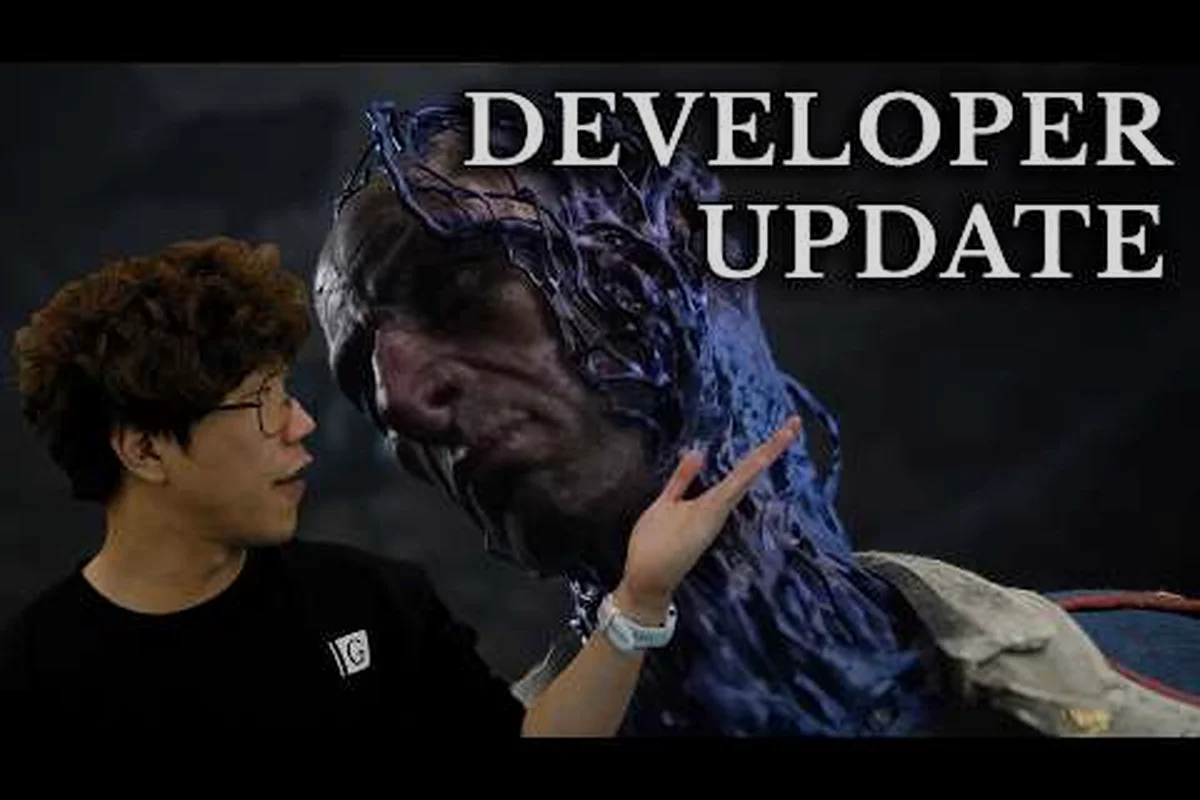
The Valor Mortis sequel setup is everywhere once you know where to look: unresolved character arcs, the Lunarium cult's hidden upper ranks, locked-off geography, and a post-credits sequence built to seed the next entry. This guide catalogs the strongest hooks and the fan theories that tie the worldbuilding together for a follow-up.
What Sequel Setup Actually Means Inside Valor Mortis
The term "sequel setup" describes the deliberate narrative scaffolding a first installment plants so a follow-up title can pick up the thread without retconning what came before. In Valor Mortis, that scaffolding is unusually dense because the campaign is a single continuous descent through a plague-ravaged version of 19th-century Europe where the line between history, mythology, and the supernatural blurs on almost every level. According to the official store page, the studio designed the world to be read as "a fractured chronicle" rather than a self-contained arc, which means every chapter quietly loads ammunition for the next entry.
This primer walks through the load-bearing pieces of that scaffolding: which character arcs are visibly unresolved, which factions are still being introduced in the back half of the game, and which lore fragments the community has latched onto as the strongest hints for a sequel. Along the way, the article treats worldbuilding as the connective tissue between the plot and the cast, because in this particular setting the two cannot be discussed separately without losing the thread.
Character Arcs That Refuse to Wrap Up
William and the Cost of Resurrection
The protagonist's relationship with the Crimson Plague is treated less as a curse and more as a transactional debt, and the game never lets the player forget that the bill is still outstanding. Across the campaign, William repeatedly chooses to absorb other characters' afflictions to keep moving forward, but each transfer leaves a visible mark on his body and a quieter mark on his behavior. By the final cutscene he is no longer the man who entered the first chapter, and the closing voiceover explicitly avoids confirming whether the human underneath the plague still exists.
That ambiguity is the single strongest piece of sequel setup in the entire campaign. Community discussions consistently point to the protagonist's transformation as a story seed rather than a conclusion, with players noting that the final shot frames him in a posture the game has previously reserved for the plague's higher-tier victims.
Napoleon's Mirror Role
Napoleon Bonaparte appears in the story as a figure who has clearly already been through the same crucible William is walking into, and his dialogue treats the protagonist less as a stranger and more as a reminder of something he would rather not discuss. The contrast between Napoleon's calm exterior and his visible scarring is intentional worldbuilding, and the game repeatedly cuts to his perspective during scenes where William is not present, suggesting that the sequel is being framed from a parallel viewpoint rather than a continuation of the same camera.
Readers who want the full chronological breakdown of this relationship can trace the throughline in our Valor Mortis Napoleon Bonaparte deep dive, which maps the dialogue beats against the real history the game is riffing on.
The Unnamed Choir
The supporting cast includes a group of plague-touched civilians collectively referred to by the community as "the Choir" because of the harmonic humming they emit during boss encounters. They are never given individual names, they are never selectable as allies, and they are never explicitly killed. Every time William clears a room of Choir members, the bodies vanish between camera cuts, which the community has interpreted as a deliberate sequel hook rather than a rendering shortcut.
| Character / Group | Visible Arc Status | Sequel Hook Strength | Notes |
|---|---|---|---|
| William | Transformed, unresolved | Very High | Final scene frames him as a future antagonist candidate |
| Napoleon | Present but withholding | High | Cutaway scenes imply a parallel POV for the sequel |
| The Choir | Unnamed, not killed | Medium | Bodies vanish between cuts, suggesting persistence |
| Lunarium Officiant | Introduced late, no closure | Medium | Only appears in the final two chapters |
| Village Elder | Killed, but the journal continues | Low | A second journal appears in the post-credits menu |
Worldbuilding Elements That Point Forward
The Cult Behind the Outbreak
The Lunarium cult is the most fully realized faction in the game, and the campaign only ever shows the player roughly a third of its hierarchy. The lower ranks serve as standard boss-tier enemies, but the upper ranks appear exclusively in cutscenes, where their vestments, sigils, and ritual language are deliberately drawn from a recognizable European esoteric tradition that the game never names directly.
The decision to leave the cult's theology half-explained is one of the clearest sequel signals in the worldbuilding. For a closer look at how the religion is constructed and which visual cues map to real historical references, the Lunarium faction breakdown walks through each rank of the hierarchy and the symbolism attached to it.
The Geography of the Plague
The campaign's map is a compressed version of a much larger region, and several locations are visible from chapter two onward but only become traversable in the back half of the game. The locked-off geography is consistent enough that the community has built a working theory that the sequel will move the camera north and east, into territory the first game only hints at through ambient dialogue and environmental text.
| Region | Status in Campaign | Sequel Likelihood | First Referenced |
|---|---|---|---|
| Plague Hollows | Fully explored | Backdrop only | Chapter 1 |
| Lunarium Catacombs | Partially explored | Likely hub area | Chapter 3 |
| Carpathian Foothills | Visible, locked | High | Chapter 2 ambient text |
| Northern Wastes | Mentioned in NPC dialogue | Very High | Chapter 4 |
| Coastal Ruins | Post-credits teaser | Confirmed | Post-credits scene |
The Supernatural Mechanic Nobody Fully Explains
The game's central supernatural rule is that the plague does not kill its hosts, it repurposes them, and the more potent the original person, the more dramatic the repurposing. The campaign shows this rule at work roughly a dozen times, but the cutscene that explains it most directly is delivered by a character who is actively dying and therefore unreliable. The community treats that explanation as a placeholder, and the strongest fan theories about the worldbuilding all hinge on what the rule actually means at scale.
The Three Sequel Theories With the Most Traction
Theory One: The Plague Is a Cure, Not a Disease
The dominant community reading is that the Crimson Plague is not a pathogen at all but a redistribution mechanism for a force the Lunarium has been trying to weaponize for centuries. The evidence cited for this theory includes the way plague victims retain their memories, the fact that high-ranking Lunarium members voluntarily submit to infection, and the protagonist's repeated ability to absorb and redirect the affliction without suffering the standard deterioration.
| Evidence | In-Campaign Source | Theory Fit |
|---|---|---|
| Victims retain memory | Chapter 2 village dialogue | Strong |
| Lunarium leaders infect themselves | Chapter 4 cutscene | Strong |
| William's absorption mechanic | Chapters 1-5 combat log | Strong |
| Napoleon's visible scarring | Chapter 5 boss arena | Moderate |
| Post-credits choir humming | Post-credits scene | Circumstantial |
The theory has the benefit of explaining why the sequel's setting matters: if the plague is a redistribution rather than an infection, then a sequel set in a region that has been exposed to it for centuries would behave very differently from a sequel set in a region that has just been exposed for the first time.
Theory Two: William Is the Sequel's Antagonist
The second most common reading is that the protagonist's transformation is not a survival story but a corruption arc, and that the sequel will frame him as the antagonist from Napoleon's perspective. The community cites the final cutscene framing, the protagonist's growing tolerance for plague imagery, and the post-credits appearance of a second journal in the same handwriting as supporting evidence.
This theory interacts cleanly with the first, because if the plague is a redistribution mechanism and William has been absorbing other characters' afflictions throughout the campaign, then by the end of the game he is functionally a reservoir rather than a person. Players who want the full breakdown of how the protagonist's arc is structured can read the protagonist William lore guide, which charts the absorption beats against the dialogue shifts.
Theory Three: The Sequel Will Move the Timeline
A smaller but vocal subset of the community argues that the sequel setup is not about location or character at all, but about chronology, and that the sequel will leap forward by at least a generation to show what the world looks like once the plague's redistribution has fully run its course. The evidence for this theory is thinner, but it is supported by the game's recurring use of generational imagery, the way older NPCs talk about the plague as something that happened to their parents rather than to them, and the post-credits visual of a building under construction in a style that does not match the campaign's setting.
Foreshadowing the Community Has Catalogued
Setting Up the Sequel Through Background Details
The development team is unusually disciplined about environmental foreshadowing, and the community has catalogued more than forty distinct environmental cues that pay off in later chapters or that remain unresolved at the end of the campaign. The most-cited examples include the recurring Mirror of Reflection motif, the way doorways in Lunarium territory are always slightly too tall for the human characters who walk through them, and the consistent presence of a second silhouette in windows that should only contain one.
Dialogue Lines That Reward Re-Reading
Several lines of NPC dialogue are written in a register that is noticeably different from the surrounding speech, and players returning for a second playthrough have identified these as the lines most likely to be load-bearing for the sequel. The standout example is a throwaway line from a village elder in chapter three who tells William that "the next one will remember you" before being killed by a boss the player has not yet encountered.
The Post-Credits Sequence
The post-credits sequence is roughly ninety seconds long and contains three distinct shots, each of which the community treats as a separate sequel hook. The first shot shows the second journal. The second shot shows the Choir humming in a location that is not on the campaign map. The third shot shows William's face, but the lighting and the angle are framed to make him look like the plague-tier enemies rather than like the human he was at the start of the game.
| Post-Credit Shot | What It Shows | Sequel Implication |
|---|---|---|
| First | Second journal in same handwriting | William is still active in the story |
| Second | The Choir in an unknown location | Sequel setting is off-map |
| Third | William's face, plague-lit | Protagonist is no longer reliable narrator |
How the Worldbuilding Connects Plot and Cast
The reason the sequel setup works as well as it does is that the worldbuilding is doing the structural work rather than the plot. The campaign's plot is essentially a linear descent through a corrupted landscape, but the worldbuilding is what gives that descent its weight, because every region, faction, and supernatural rule is presented as a fragment of a larger system that the player is only ever seeing a piece of.
That structure means the sequel does not need to invent new lore from scratch. It can simply pick up the threads the first game left visible: the geography north and east of the campaign map, the upper ranks of the Lunarium hierarchy, the full implications of the plague's redistribution rule, and the unresolved fate of a protagonist who has been absorbing other people's afflictions for five chapters straight. For players who want to see the connective tissue mapped explicitly, the full story recap and lore guide is a useful companion to the theories outlined above.
The combination of unresolved character arcs, half-explained supernatural rules, and visible-but-unreachable geography is what makes the sequel setup feel deliberate rather than incidental. It is a campaign that was always meant to be the first half of a longer story, and the second half is going to have a remarkable amount of material to work with.
Frequently Asked Questions
Does Valor Mortis actually have sequel setup, or is the open ending just artistic?
According to the official store page, the world is explicitly designed as "a fractured chronicle" rather than a self-contained arc, and the community has catalogued more than forty distinct environmental and dialogue cues that point forward. The open ending is a deliberate sequel hook, supported by a ninety-second post-credits sequence that contains three separate forward-pointing shots.
Which character is most likely to return as the sequel's protagonist?
Napoleon is the strongest candidate because the campaign repeatedly cuts to his perspective during scenes William does not witness, suggesting the sequel is framed from a parallel viewpoint rather than a continuation. William is the second most likely candidate, but in a transformed rather than a sympathetic role, based on his final framing in the post-credits sequence.
What is the strongest fan theory about where the worldbuilding heads next?
The dominant community theory is that the Crimson Plague is not a pathogen but a redistribution mechanism for a force the Lunarium has been trying to weaponize, which would explain why victims retain their memories and why the cult's leaders voluntarily submit to infection. The theory is supported by roughly two dozen distinct in-game cues catalogued by the community.
Will the sequel move the setting outside the original campaign map?
Almost certainly, because the geography north and east of the campaign map is repeatedly referenced in ambient dialogue and is visually locked off in chapters two through five. The post-credits sequence also shows the Choir humming in a location that is not on the original map, which is the strongest single piece of evidence for a new setting.
How many unresolved plot threads does the first game actually leave?
Based on community cataloguing, there are at least seven major unresolved threads: William's transformation, Napoleon's parallel arc, the Choir's persistence, the Lunarium's upper hierarchy, the plague's full supernatural rule, the off-map geography, and the second journal in the post-credits sequence. Each of these is load-bearing enough to support a full sequel without contradicting the first game's established canon.