
Lore
Valor Mortis lore and story explained: the Crimson Plague, William’s resurrection, alternate 1815 Napoleon and the conspiracy behind the Eternal Guard.
Introduction
Valor Mortis weaves an alternate 1815 history into a dark supernatural horror story. You play William, a soldier of the Grande Armée who wakes from a battlefield grave after Napoleon wins at Waterloo. The alternate timeline, the Crimson Plague and Napoleon’s Eternal Guard form the core of the mystery. This lore hub decodes the story: who William really is, why Napoleon resurrected him, the origin and purpose of the Crimson Plague, the role of the Eternal Guard, and the conspiracy that reaches every corner of 19th-century Europe. We explain the endings, collectible lore scrolls and the meaning of the title. Lore guides are built from verified sources — the Steam page, official website and Wikipedia — plus community analysis of the in-game collectibles.
Lore Pillars
| Element | Role | Key Detail |
|---|---|---|
| William | Protagonist | Grande Armée soldier reborn with plague powers |
| Crimson Plague | Central mystery | Supernatural disaster powering corruption |
| Napoleon | Antagonist | Alternate 1815 ruler, voice by Vincent Cassel |
| Eternal Guard | Elite faction | Guards the resurrection conspiracy |
Lore Index
William
A soldier of the Grande Armée reborn with the plague’s corrupting power, whose resurrection anchors the entire conspiracy. The scrolls flesh out William’s past and the plague’s origin, turning the conspiracy from backstory into a motive you understand.
Crimson Plague
The supernatural disaster that powers corruption and drives the story — its origin is the core question of the game. Each scroll builds the timeline that explains why the Eternal Guard behave the way they do during your fights.
Napoleon
Voice of an alternate-history Napoleon whose Eternal Guard prowls the land, voiced by Vincent Cassel. The rivalry between William and Napoleon is the emotional core that makes the final confrontation land so hard.
Eternal Guard
Elite commanders of Napoleon’s guard with delayed, hard-to-read attack chains that guard the resurrection secrets. The lore they guard is the reason the final boss exists, so the codex pages fill in the logic behind the endgame.
Core Mechanics
The story of Valor Mortis is told through cinematics, character dialogue and collectible lore scrolls scattered across the map. The lore scrolls are missable: explore dead-end rooms, rooftop routes after mobility unlocks, and optional boss lairs to find them all. The alternate history is a central conceit — in this timeline Napoleon wins Waterloo, changing the fate of Europe and enabling the conspiracy. The Crimson Plague is the supernatural disaster that powers corrupting powers and creates the abominations. The Eternal Guard are Napoleon’s elite, guarding the secrets of the resurrection. The endings branch based on choices at key decision points and on collected lore, so a full understanding of the story rewards thorough exploration.
Advantages
Understanding the lore enriches every boss fight and location. When you know why the Eternal Guard fight in delayed patterns, why the plague turns soldiers into abominations and what William’s resurrection means, the game’s world becomes coherent and memorable. The lore hub also doubles as a completionist guide: every lore scroll location is marked, so you never miss the collectibles that unlock achievements and hidden endings. For new players, the story recap prevents confusion about the alternate 1815 setting and the supernatural elements, making the first playthrough far more enjoyable. Lore context also explains boss behaviour and enemy design: knowing that the Eternal Guard are Napoleon’s elite explains their disciplined, delayed combos, while the plague explains why abominations are erratic and weak to fire. For players interested in the alternate-history setting, the hub separates historical facts from the game’s fiction, so you can enjoy the 1815 divergence without confusing it with real history.
Challenges
Lore details are community-assembled and some interpretations remain theories until the developers confirm them. The alternate-history frame means our summary uses historical names (Napoleon, Grande Armée, Waterloo) as in-game context rather than historical fact. Ending interpretations vary between players, and the hidden endings require specific choices and all-lore conditions that early guides may not fully document. Because the game is new, some lore scroll locations are still being verified. Treat the lore hub as a strong, well-sourced starting point and update your own understanding as you find in-game evidence. Early lore summaries can also overstate connections that later patches expand or retcon, so treat interpretation with healthy scepticism until the developers release more in-game evidence. The title itself, Latin for the value of death, is analysed in the hub, but its exact meaning remains tied to the final reveal. Keep an open mind and let your own playthrough add nuance to the written analysis.
Frequently Asked Questions
Who is William in Valor Mortis?+
What is the Crimson Plague?+
Why does Napoleon resurrect William?+
Quick Tips
Collect every lore scroll you see — many are missable and tied to achievements. Explore dead-end rooms and rooftop routes after mobility unlocks, and check every optional boss lair for collectibles that enrich the story and unlock the all-lore condition for the hidden ending. Dead-end alleys are almost never true dead ends once the hook exists, so treat every closed corner as a potential collectible.
Pay attention to the alternate 1815 framing. Napoleon winning at Waterloo is the historical divergence that enables the entire supernatural conspiracy, so any confusion about the setting usually resolves once you remember the timeline is twisted from real history. Treat historical names as in-game context, not facts. Understanding the divergence also explains why the map is not historical France but a warped, nightmare version of it.
Finish the lore hub before your final playthrough choice. Hidden endings require the all-lore condition, so complete your scroll collection before the last boss to avoid a second full run for the secret ending. Save before the final decision so you can see multiple endings from one playthrough. The all-lore condition is worth the extra sweep because the secret ending reframes the entire story you just experienced.
Featured
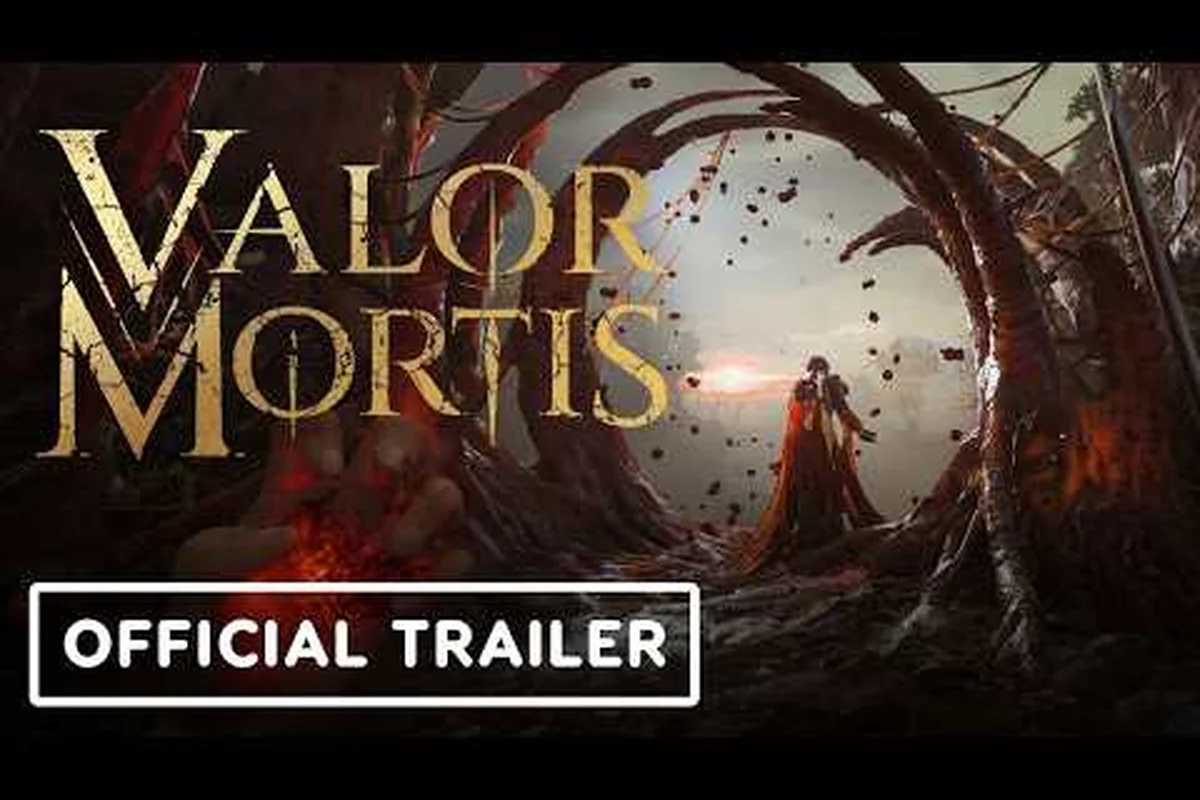
Valor Mortis Story Explained: William, Napoleon & the Plague
Unravel the Valor Mortis story explained from William's resurrection through the Eternal Guard conspiracy and the truth behind the Crimson Plague.
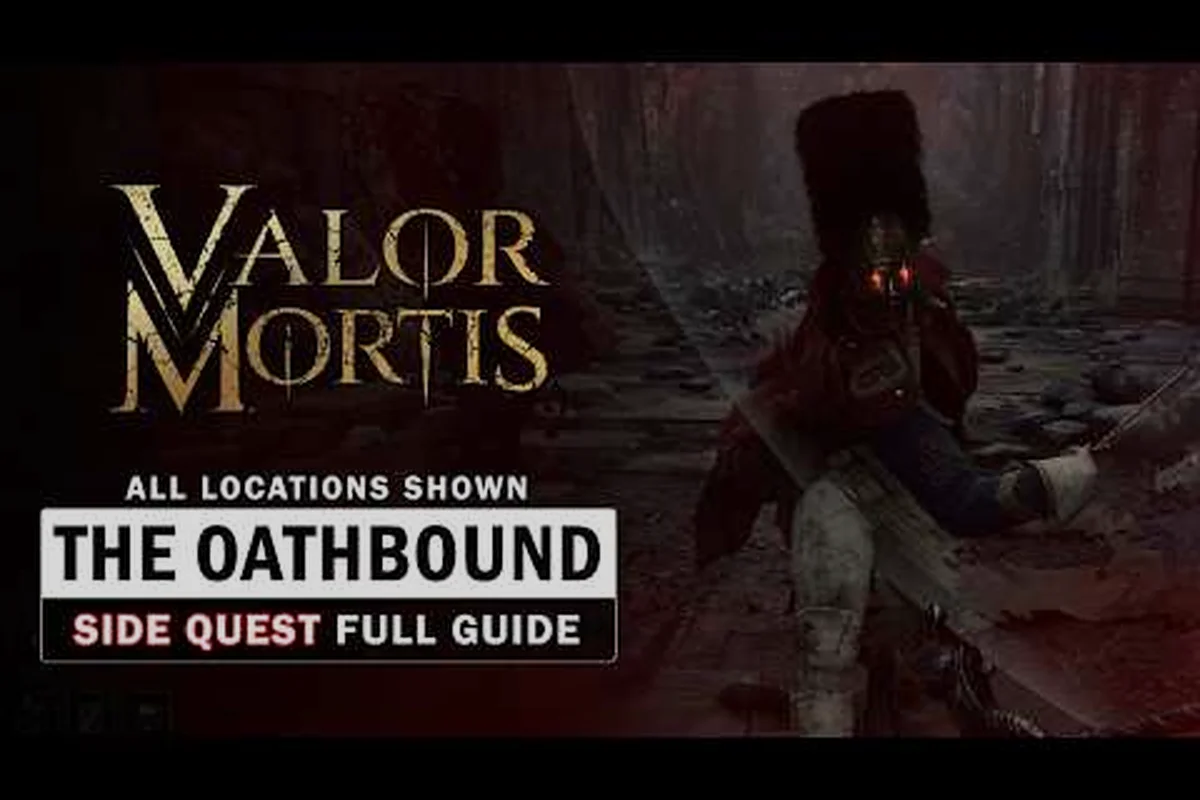
Valor Mortis Eternal Guard Lore: Grande Armée & Waterloo History
Dig into Valor Mortis Eternal Guard lore covering the Grande Armée's darkest corners, the alternate Waterloo outcome, and the 1815 history that shapes every boss.
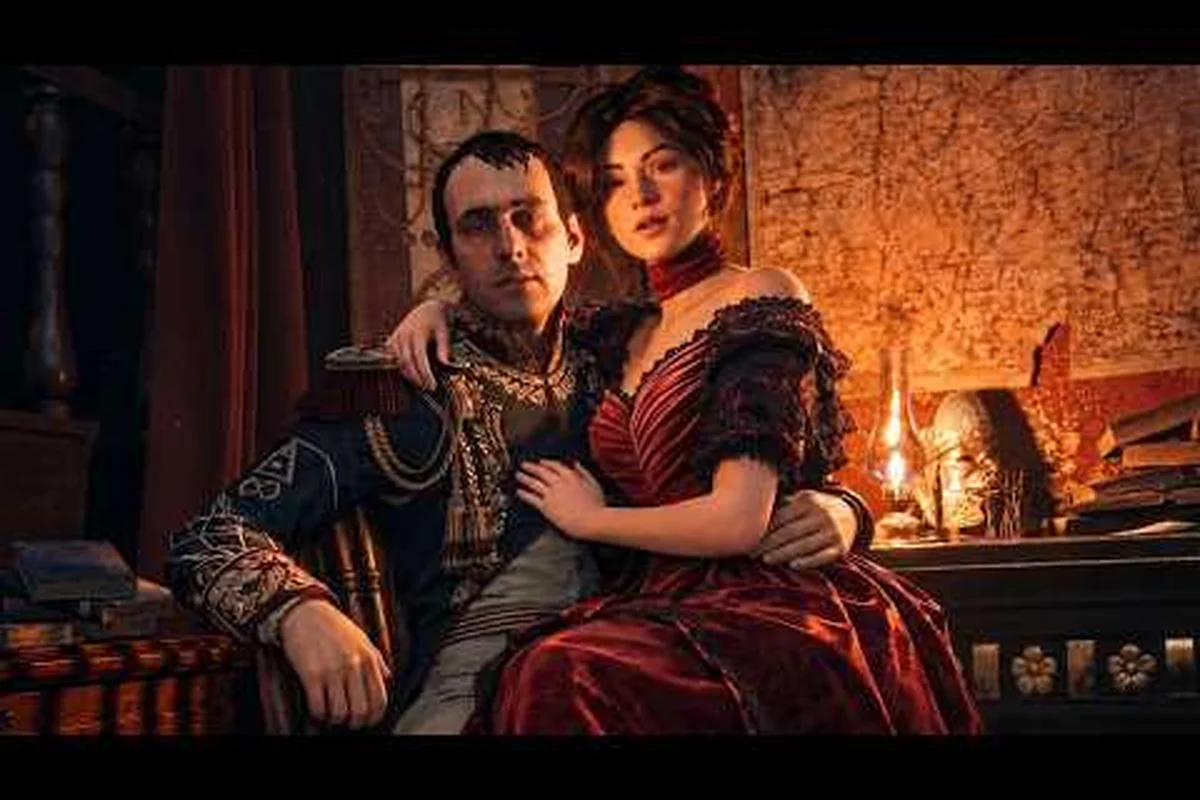
Valor Mortis Napoleon Bonaparte: Alternate History & Final Fight
Explore the Valor Mortis Napoleon Bonaparte storyline: how an alternate 1815 history resurrected William, and why the Emperor waits as the final boss.
All Articles
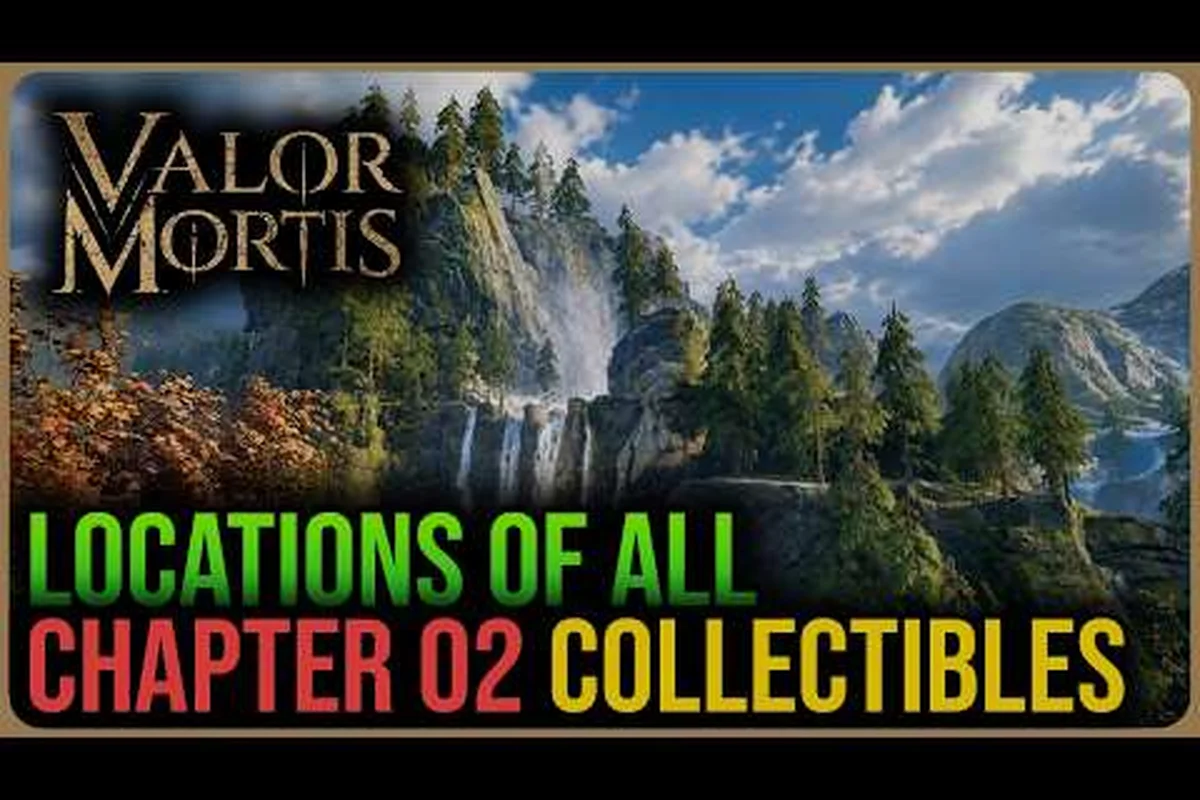
Valor Mortis Lore Locations: Notes, Collectibles & Objects
Track every Valor Mortis lore location with this guide to scattered notes, horror-tinged collectibles, and hidden objects fleshing out the backstory.
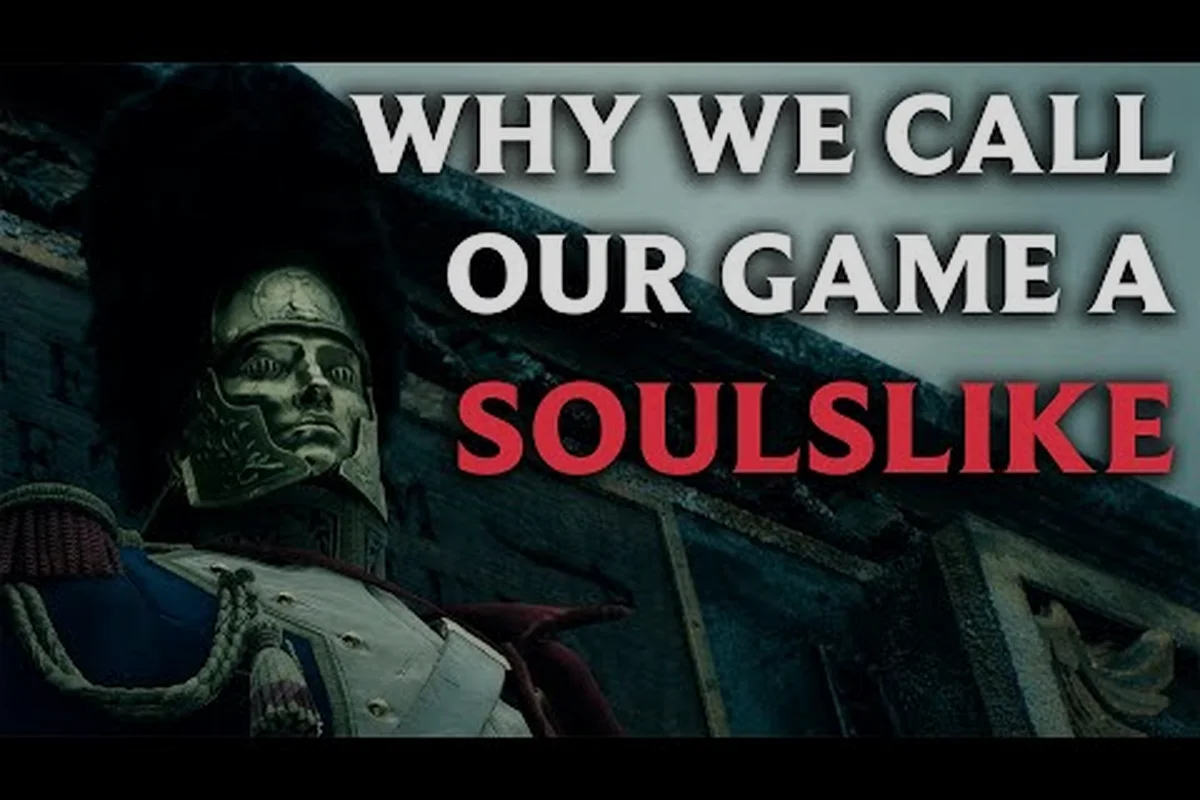
Valor Mortis Meaning of Title: True Ending & Story So Far
Decode the Valor Mortis meaning of title with a full story recap, lore breakdown, and how the true and secret endings tie into the grim name.
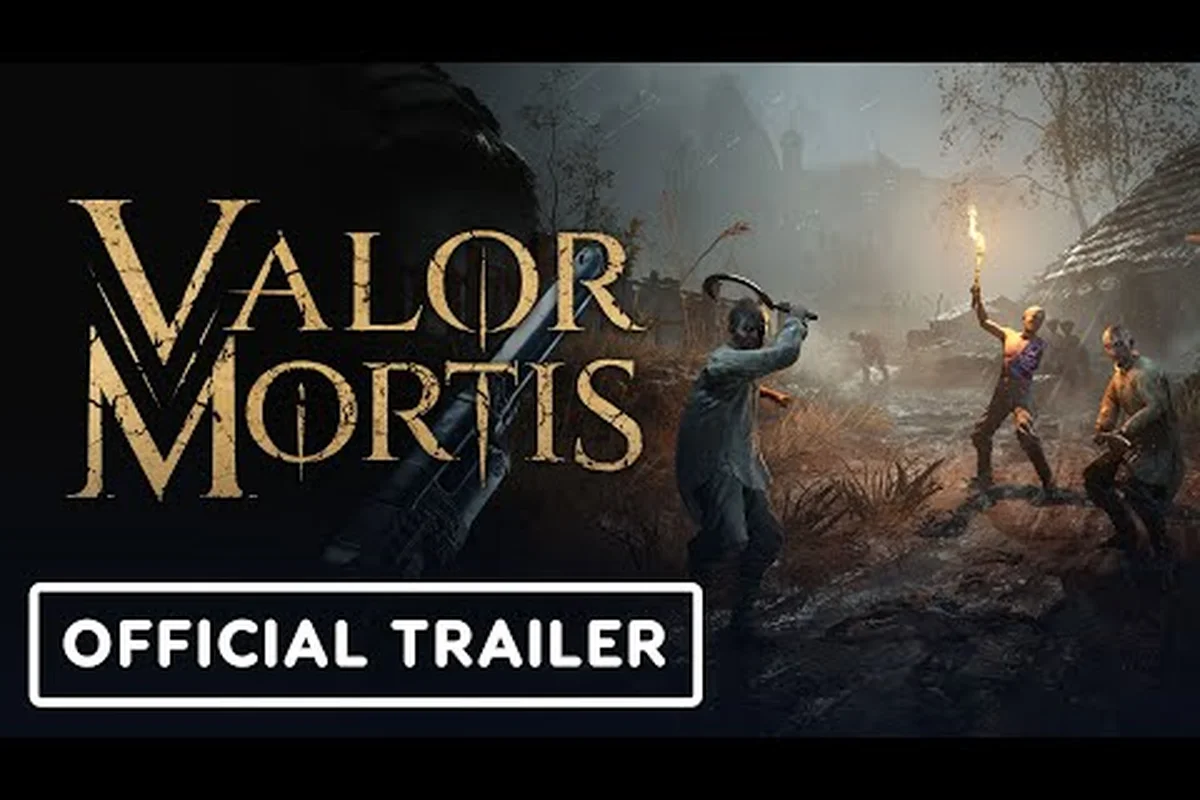
Valor Mortis Plague Religion: Factions, Side Characters & Lore
Break down the Valor Mortis plague religion, its warring factions, key side characters, and Vincent Cassel's role as Napoleon's voice in the conspiracy.
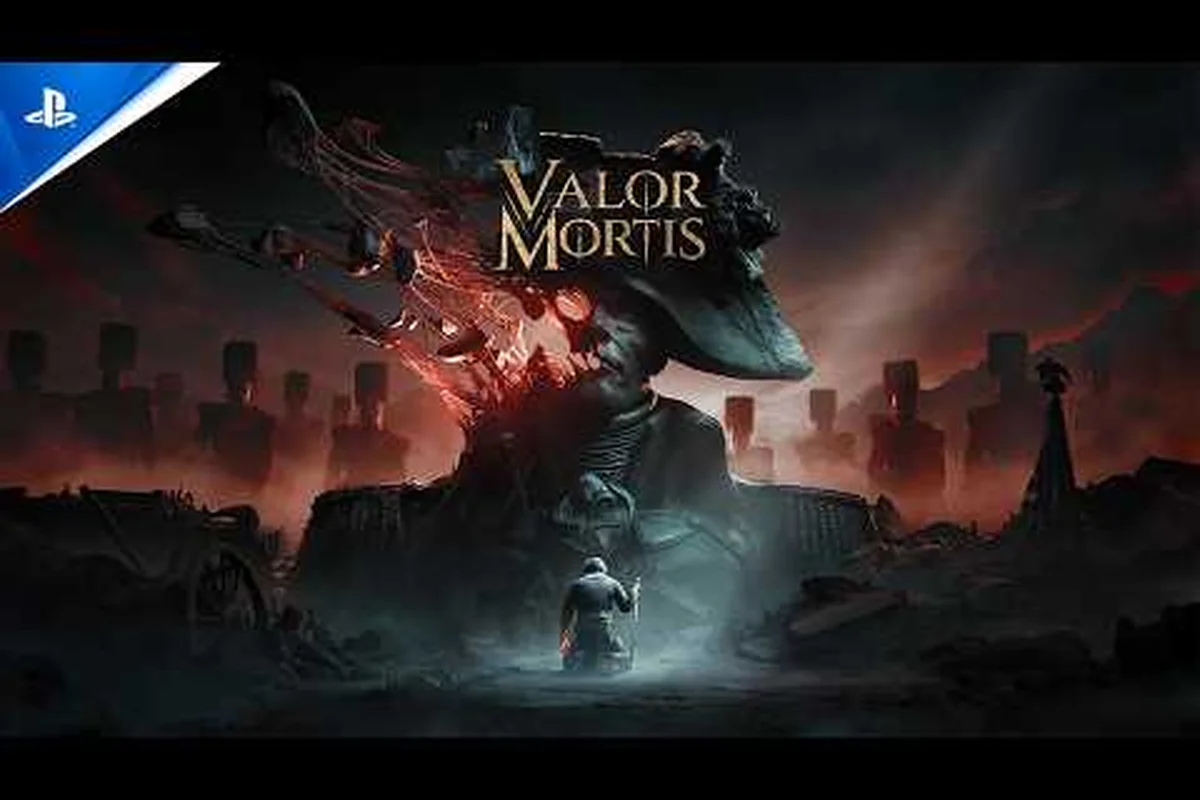
Valor Mortis Eastern Europe Setting: Plague Origins & Lore
Map the Valor Mortis Eastern Europe setting where the Crimson Plague began, the conspiracy that resurrected William, and Napoleon's role in the outbreak.
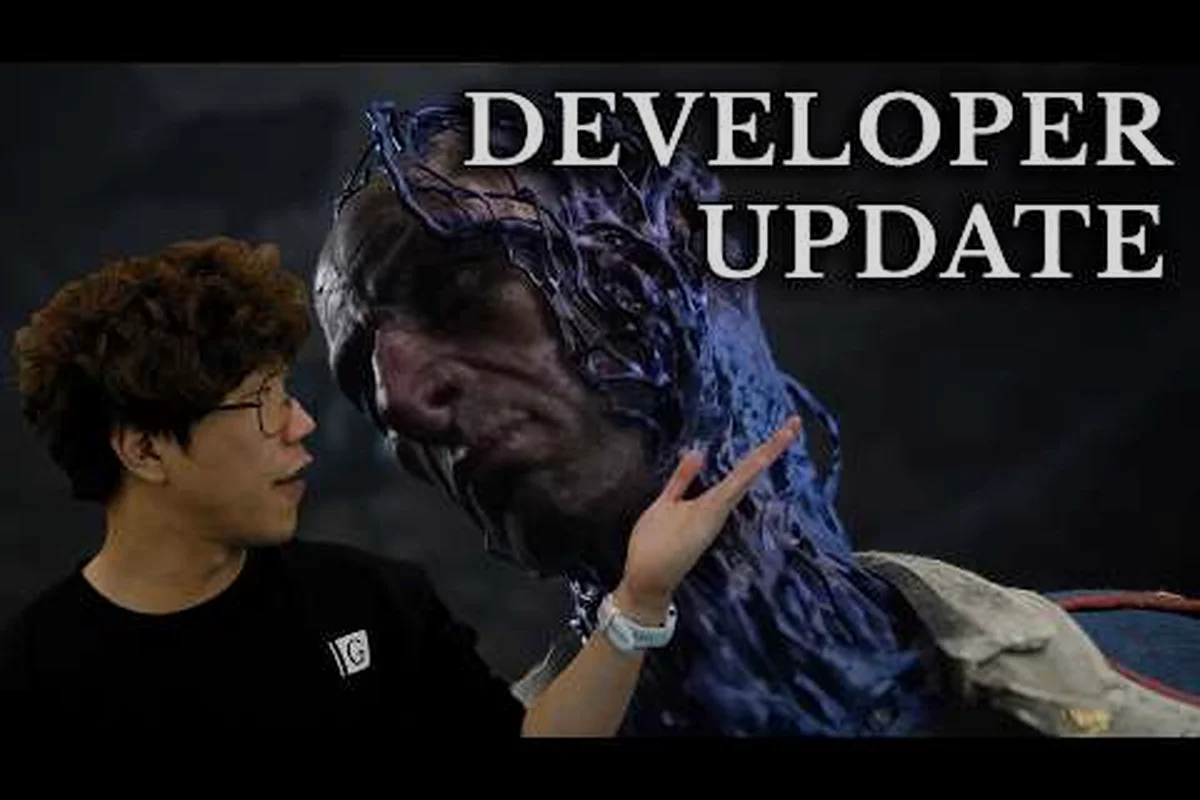
Valor Mortis Sequel Setup: Characters, Worldbuilding & Theories
Spot every Valor Mortis sequel setup planted across the campaign, from lingering character arcs to fan theories about where the worldbuilding heads next.